
Better buildings.
Better places for people.
Healthy buildings are not created by one product, one material or one design decision.
Annie brings together Building Biology, building science, material health, indoor environmental quality and human-centred design to explore how buildings can better support the people who live, work and stay in them.
Her approach considers the building as a whole. From materials, air and moisture to comfort, sensory experience and the relationship between people and place.
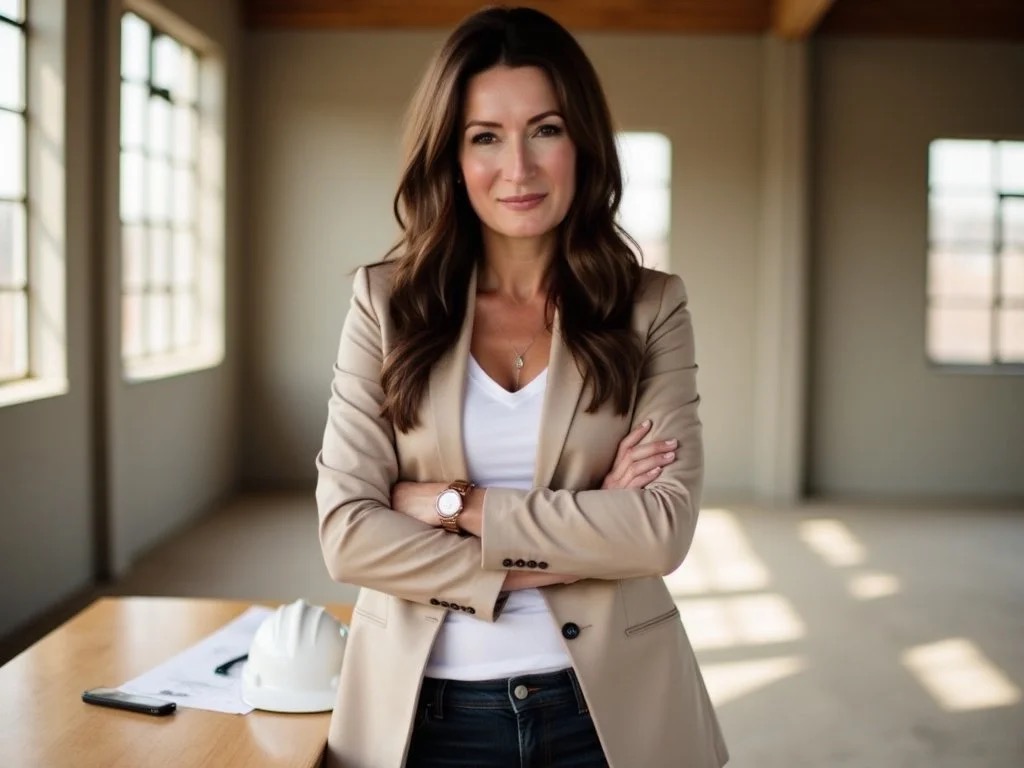
Health, considered from the start.
The greatest opportunity to create a healthier building often exists before construction begins and before specifications are locked in.
Healthy Home Expert brings a human-health lens to early planning, design and material decisions, highlighting factors that can otherwise be difficult or expensive to address later.
Material health
Consider ingredients, emissions, transparency, durability, moisture behaviour and lifecycle impacts when selecting finishes, furnishings and construction materials.
Indoor environmental quality
Consider the indoor environment through air quality, moisture, mould risk, ventilation, light, acoustics, thermal comfort and electromagnetic exposure.
Building performance
Connect human health with building-envelope performance, condensation risk, thermal comfort, ventilation and moisture resilience.
Human-centred places
Explore how nature, materiality, sensory experience, comfort and connection to place can contribute to spaces that feel restorative rather than simply functional.
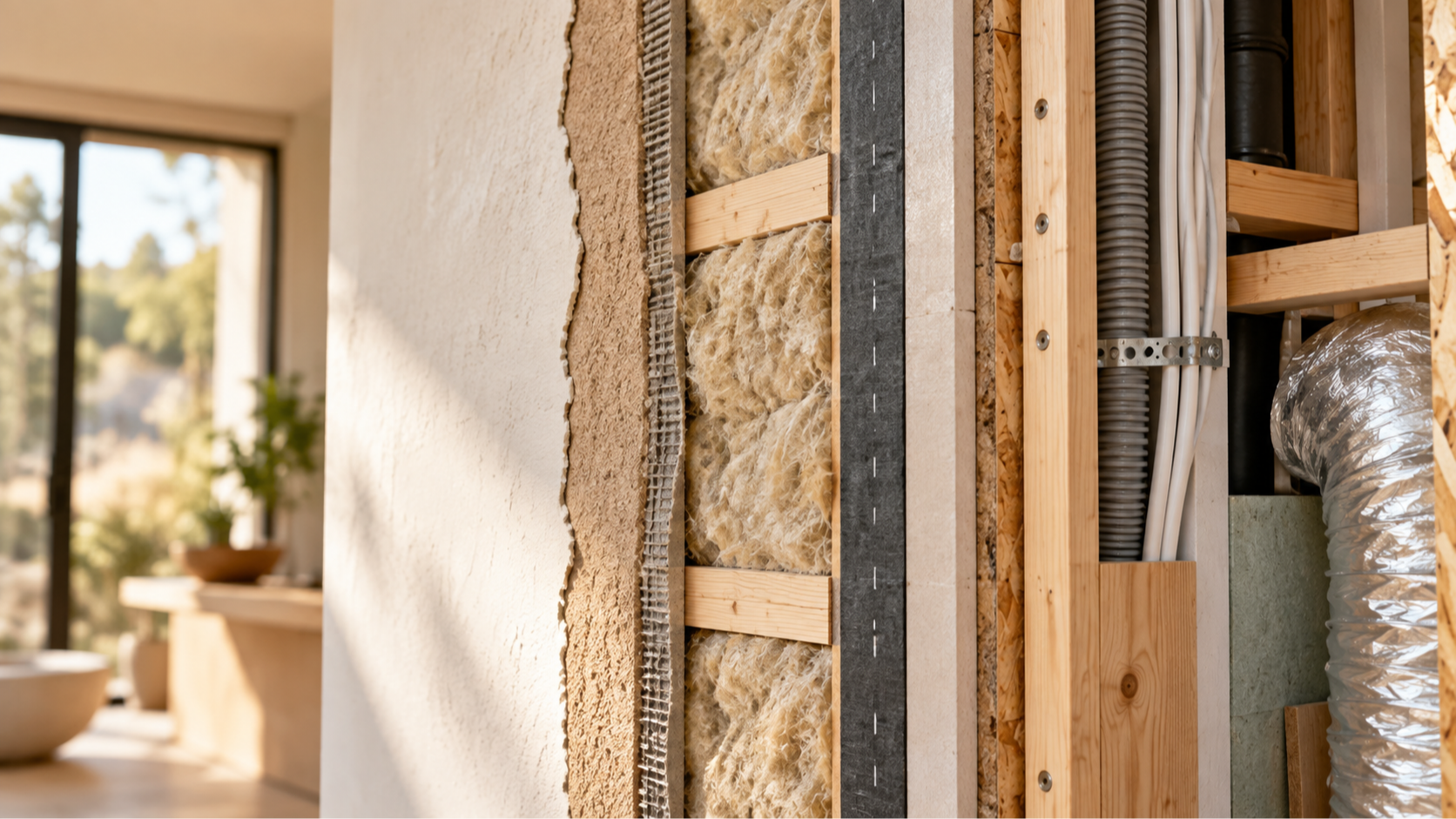
More than “low-tox”.
A healthier building is not created by swapping a handful of products for ones labelled “natural”, “eco” or “non-toxic”.
Materials interact with moisture. Ventilation affects air quality. Thermal performance affects comfort and condensation. Electrical systems influence electromagnetic exposure. Light, sound and spatial experience influence how a place feels to occupy.
Healthy Home Expert brings these considerations together through a whole-building perspective, revealing the relationships between decisions rather than treating each issue in isolation.
From healthy interiors to better destinations.
The same principles that support healthier homes can be applied across a much broader range of places.
Annie’s work is increasingly focused on environments where health, performance, materiality and experience are considered together, across residential, hospitality, wellness and restorative settings.
Homes & Interiors
Healthier residential environments through material selection, indoor environmental quality, renovation planning and more considered design decisions.
Hospitality
Explore how air quality, materials, acoustics, lighting, thermal comfort and connection to nature can contribute to more restorative guest environments.
Wellness Real Estate
Consider how healthy-building principles can inform developments where wellbeing is part of the value proposition, moving beyond wellness as an amenity to the performance and experience of the building itself.
Restorative Environments
Explore how biophilic design, sensory experience, materiality, comfort and connection to place can contribute to environments that feel restorative, human-centred and more connected to nature.

A multidisciplinary perspective
Annie’s work draws on specialist education across Building Biology, Passive House design, hygrothermal analysis, electromagnetic radiation, indoor environmental quality, healthy materials and sustainable design.
This breadth allows her to connect the health, design and performance considerations that are often treated separately within the built environment.
Her focus is increasingly on the intersection of human health, building performance, materiality and environmental design, and on how these disciplines can inform healthier, more restorative places.
Towards restorative environments.
The next generation of healthy building needs to go beyond reducing hazards.
Increasingly, the question is not simply:
“How do we make this building less harmful?”
but:
“How can this place actively support the people who experience it?”
That opens the conversation to biophilic design, sensory experience, restorative environments, materiality, comfort and connection to nature.
Healthy Home Expert is evolving at this intersection of human health, building performance and environmental design.

