
Better questions.
Better places.
Annie’s perspective on material health, indoor environmental quality, building performance and human-centred places.
Healthy building is not about chasing perfect products or designing spaces that merely look well. It is about asking better questions about what buildings are made from, how they perform and how they are experienced.
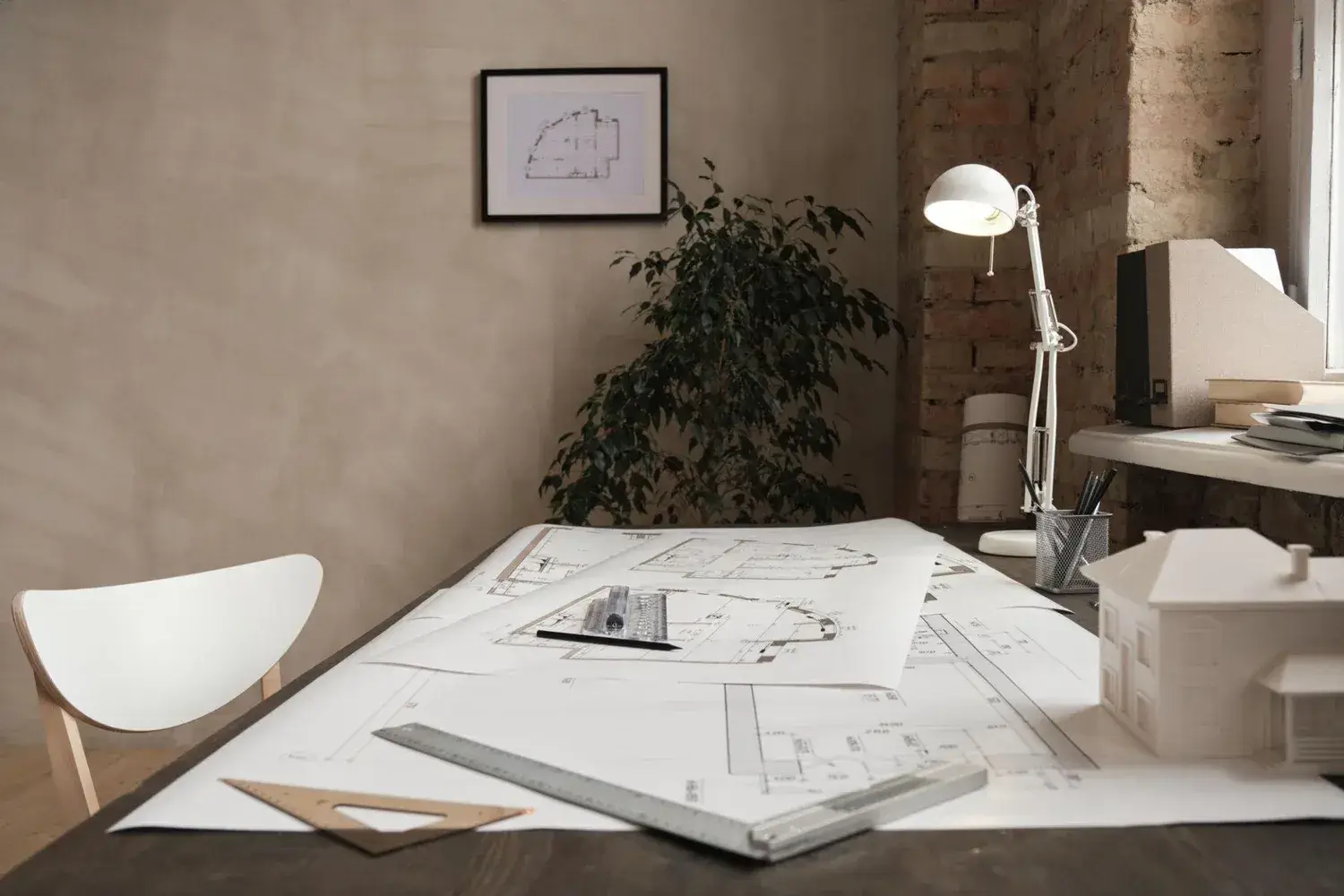
Look beyond the surface.
Healthy building thinking starts with what sits behind the finish. The materials, systems and decisions that influence how a place performs over time.
Beyond the wellness aesthetic
A calm-looking interior is not necessarily a healthy one.
Natural colours, plants and soft finishes can contribute to a sense of wellbeing, but they tell us little about ventilation, moisture, acoustics, thermal comfort, emissions or electromagnetic exposure.
The deeper question is not simply how does this place look? It is how does this place perform for the people using it?
Ask more of materials
Labels such as “natural”, “eco”, “low-VOC” or “non-toxic” can be useful starting points, but they rarely tell the whole story.
Consider ingredients, disclosure, emissions data, installation methods, adhesives, coatings, durability, moisture behaviour and intended use before drawing conclusions about a product.
Material health is not about finding a universally perfect material. It is about making better-informed choices within context.
Consider the whole building
Materials do not operate independently.
A highly vapour-open material used within the wrong wall assembly can create problems. Better ventilation can improve indoor air quality, but it must work with the building envelope. Thermal performance affects comfort, condensation and moisture risk.
Healthy building requires understanding the relationships between materials, moisture, ventilation, thermal performance and building operation.
Start with people
Buildings exist for people.
Residents, guests and workers experience temperature, light, sound, air quality and space differently. A healthier brief starts by understanding who will use the building, how they will use it and what conditions will support them best.
Human-centred design connects those needs back to practical decisions about materials, systems and performance.
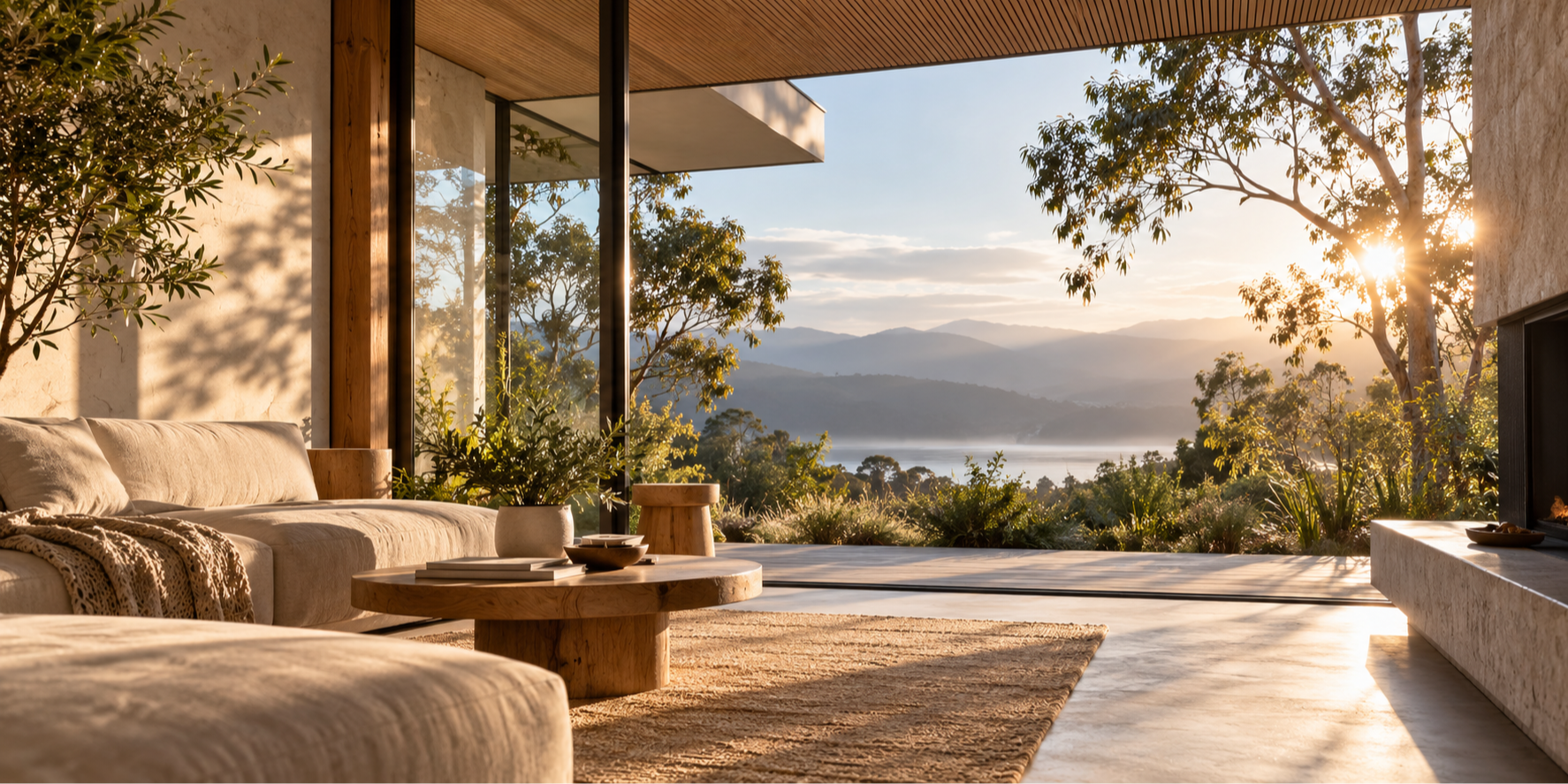
From reducing harm to supporting wellbeing.
Much of healthy building has historically focused on removing hazards. That remains important, but it is only part of the opportunity.
The conversation is increasingly expanding towards how buildings can actively support comfort, restoration, connection and wellbeing.
That means considering:
- daylight and connection to natural rhythms
- views and access to nature
- tactile and natural materials
- acoustic comfort
- thermal experience
- air quality
- sensory load
- connection to place
- spaces that support rest, focus and social connection
This is where Building Biology, building science and biophilic design begin to overlap.
Better materials need better questions.
Material selection is often reduced to a simple good-or-bad judgement.
In reality, better specification asks:
- What is the product made from?
- Are the ingredients disclosed?
- What emissions or exposure data are available?
- How is it installed?
- What happens when it becomes wet?
- How durable is it?
- What maintenance does it require?
- What happens at end of life?
- Is there a better option for this particular application?
Transparency does not automatically make a product healthy. But without transparency, meaningful evaluation becomes much harder.
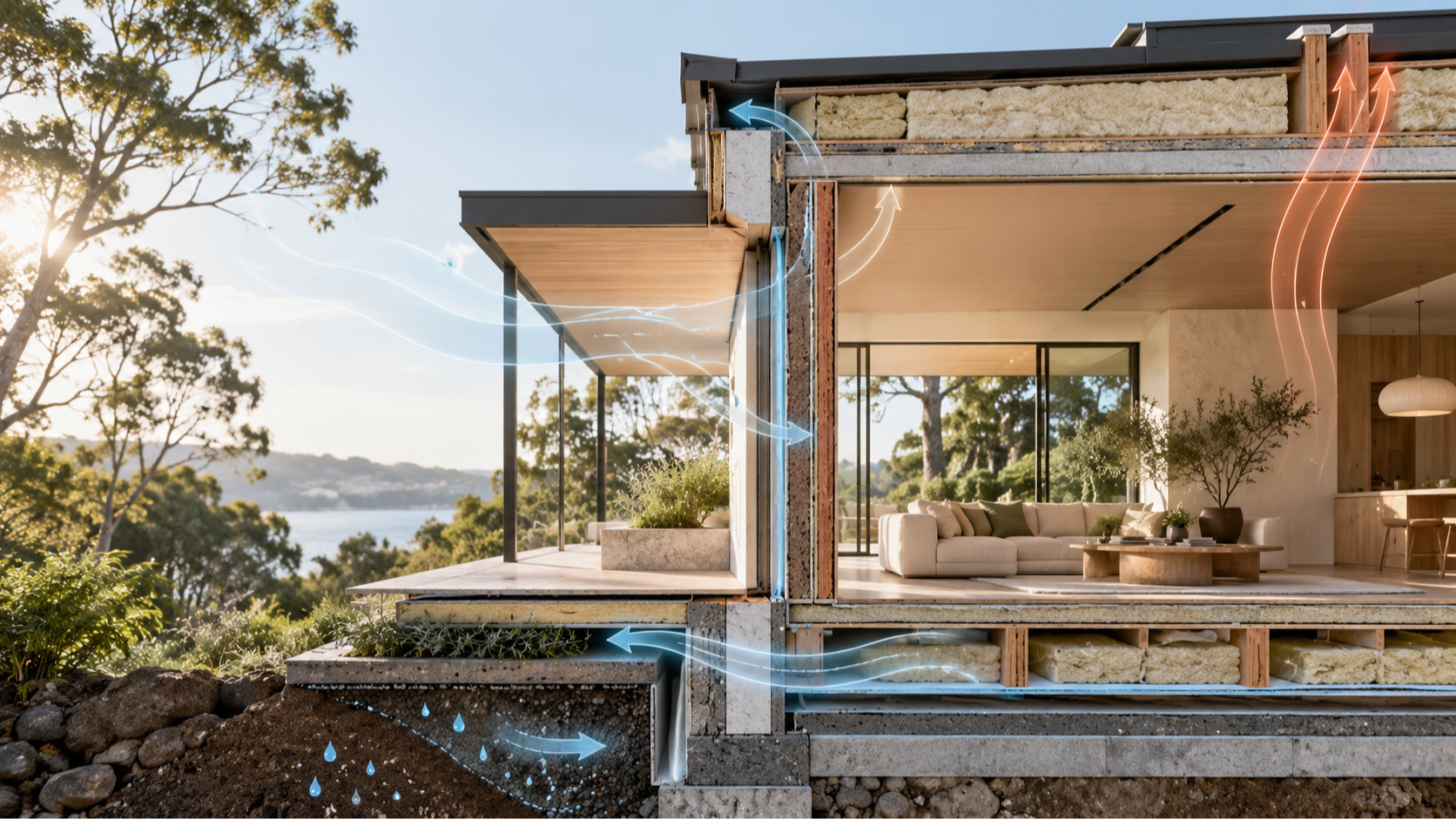
Performance is part of health.
A home can contain carefully selected materials and still perform poorly.
Condensation, overheating, inadequate ventilation, moisture accumulation and uncomfortable indoor temperatures all influence the quality of the indoor environment.
That is why Annie’s perspective brings together material health with building physics, moisture behaviour, ventilation and thermal performance.
Healthy building is not separate from good building science.
The indoor environment is more than air quality.
Indoor environmental quality is often reduced to VOCs and particulates.
A broader view considers:
Air
Ventilation, particulates, gases, VOCs and combustion pollutants.
Moisture
Humidity, condensation, leaks and mould risk.
Thermal comfort
Temperature, radiant comfort and overheating.
Light
Daylight, artificial lighting and circadian considerations.
Sound
Acoustics, external noise and sensory comfort.
Electromagnetic environment
Electric fields, magnetic fields and radiofrequency exposure.
Together, these factors shape how a place feels and performs.
Towards more restorative places.
The next evolution of healthy building is not simply about creating buildings with fewer harmful exposures.
It is about asking:
Can a building actively contribute to how people feel?
- Can materials feel better to touch?
- Can daylight support natural rhythms?
- Can a room feel acoustically calmer?
- Can views and vegetation strengthen connection to nature?
- Can the building itself support comfort rather than constantly requiring mechanical correction?
These are the questions increasingly shaping Annie’s work and the future direction of Healthy Home Expert.
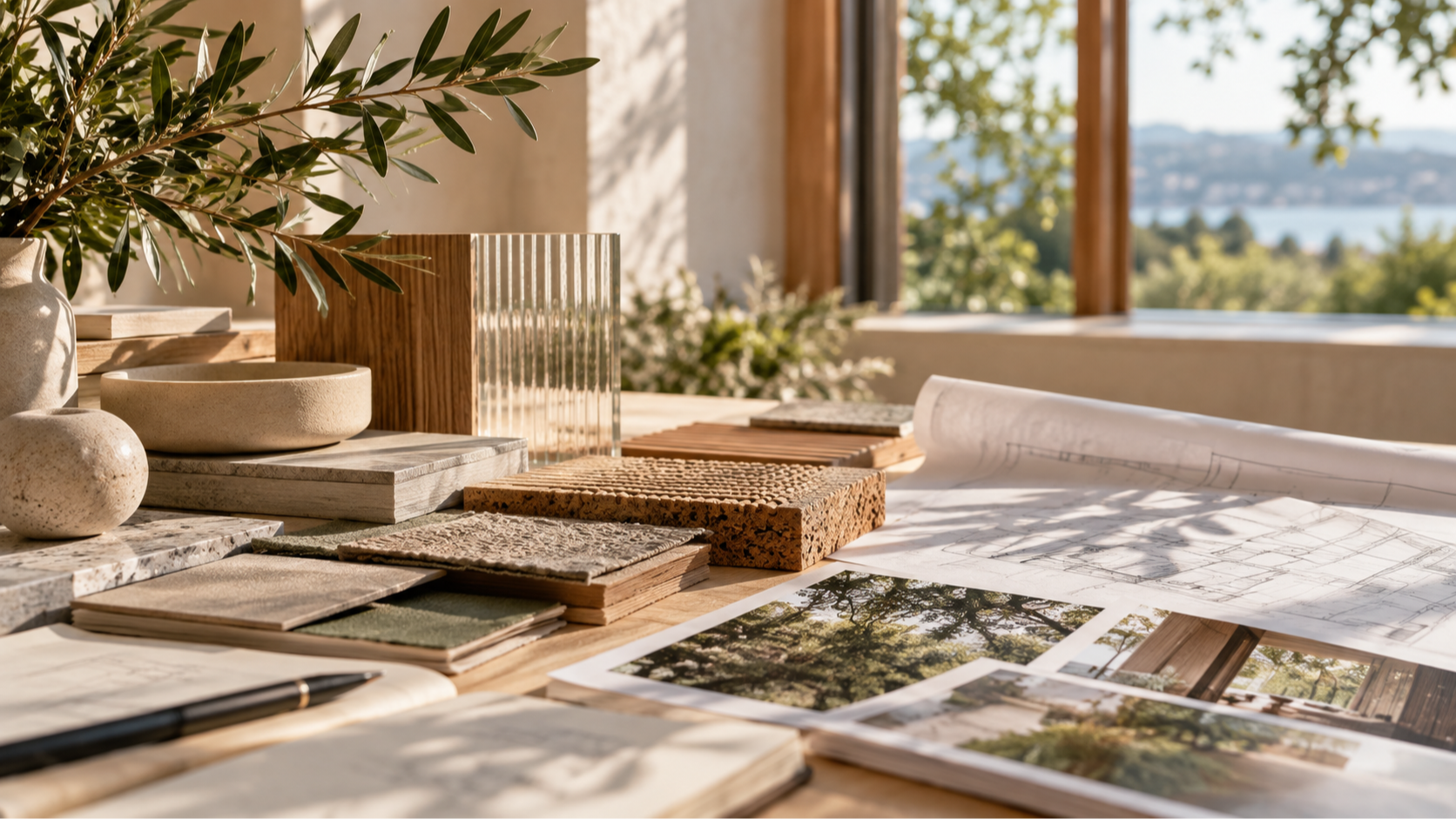
Continue exploring
Read the latest articles on material health, building performance, indoor environmental quality and restorative design.

